


Product Filter
D-R 909
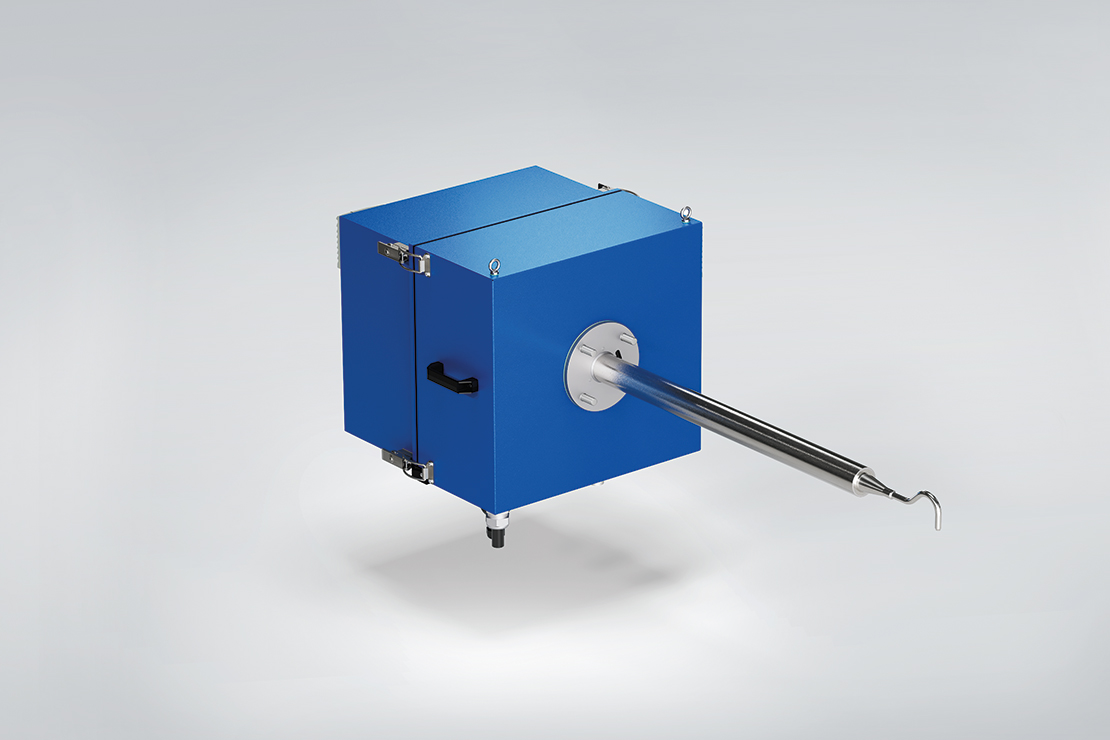
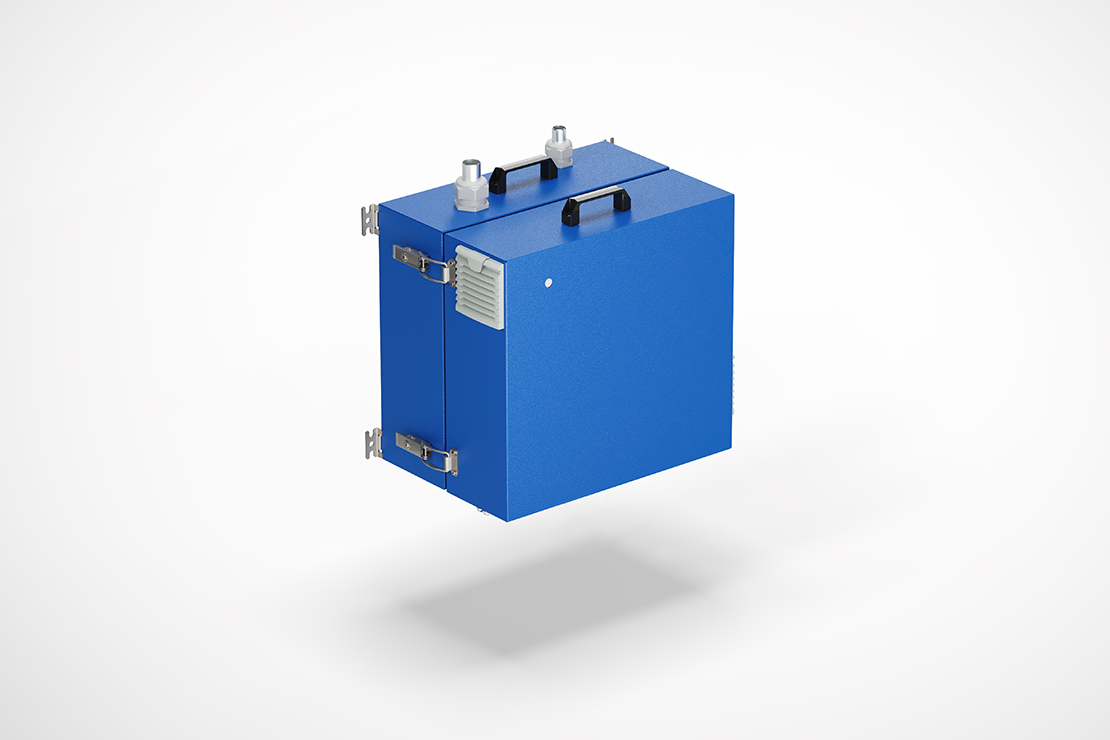
Extractive wet stack particulate monitor
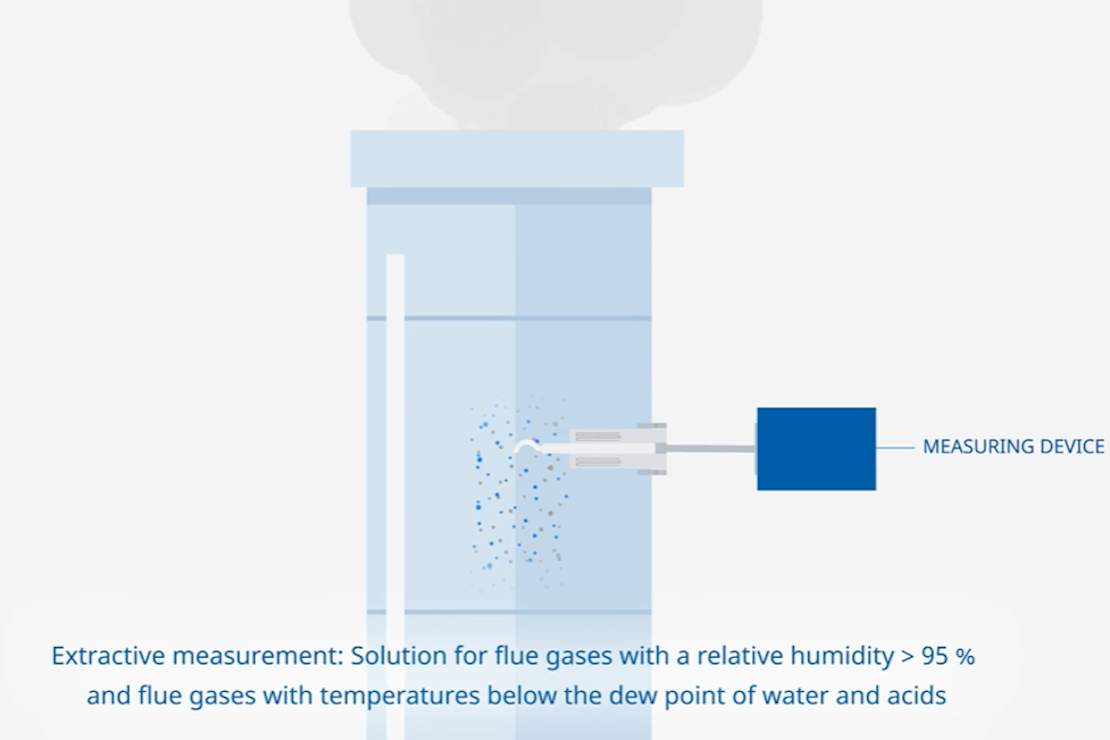
Wet stack dust monitor suitable for particulate measurement after wet scrubbers, Flue Gas Desulfurisation (FGD) plants, Wet Electro-Static Precipitators (WESPs) and other processes where the flue gas falls below dew point. Highly reliable PM CEMS monitor, used for continuous extractive measurement of dust contents in wet and sticky exhaust gases. Offers compliance with international standards such as US EPA 40 CFR 60 PS 11, EN 15267, EN 14181 (QAL 1 certified), UL 61010-1 (cETLus certified), etc.
Technolog: Forward scattering

Benefits
- Suitable for regulatory emission monitoring
The D-R 909 meets international standards and certifications (such as EN 15267 / QAL1, US EPA), making it fully approved for use in legally compliant emission monitoring system. It ensures accurate and traceable measurements, as required for environmental reporting and regulatory compliance. - Reliable measurement of small dust concentrations
Certified for the range 0-7.5 mg/cm3, the lowest achievable on the market, the D-R 909 provides precise and stable readings even at very low particulate concentrations. This makes it ideal for modern high-efficiency plants with advanced filtration systems or low emission levels. - Simple and flexible installation
The compact, probe-mounted design allows for quick and easy installation on various types of stacks and ducts. Its modular concept and adaptable mounting options ensure smooth integration into both new and existing monitoring setups. - Designed for harsh installations and climate conditions
The D‑R 909 is approved for an exceptionally wide ambient temperature range of -40 °C to +60 °C, ensuring reliable operation in cold outdoor stacks, exposed platforms and warm industrial environments. This capability exceeds the –20 °C to +50 °C envelope of typical wet‑stack particulate CEMS, offering greater flexibility for global deployment. - Lower‑temperature heated sampling
The D‑R 909 uses a heated sampling probe (up to 160 °C) to evaporate water droplets directly in the probe, eliminating the need for high‑temperature oven systems and heated sampling lines used by other wet‑stack monitors. This delivers reliable droplet removal with less energy, simpler installation, and reduced component stress. - Reduced service and operating costs
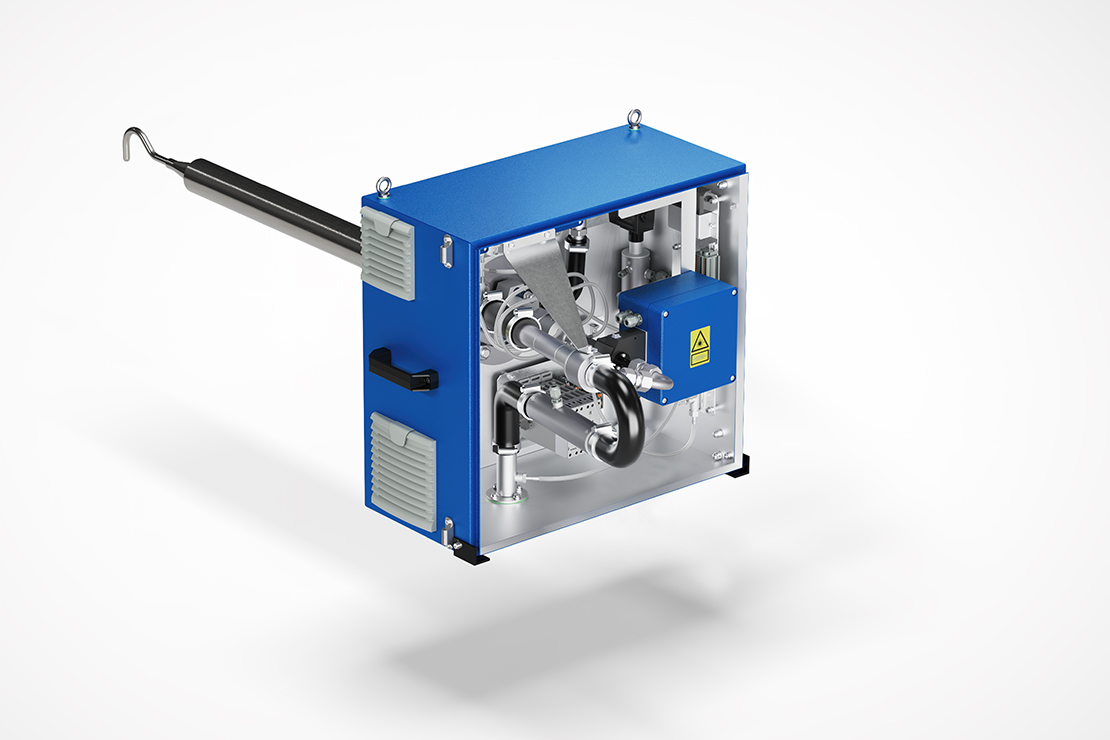
The optical system features an automatic self-check and purge-air cleaning, minimizing maintenance needs and ensuring long-term reliability. With no moving parts and robust construction, the D-R 909 offers excellent cost efficiency over its service life. No need to wait for vaporizing oven to cool down for cleaning and maintenance. - Proven performance under real‑world power‑plant conditions
Certification suitability was demonstrated in a 12‑month field test at a power plant, substantially longer than the 3‑month field test used for other equipments on the market. This provides a 6 months maintenance interval significantly longer than other suppliers to provide strong real‑world evidence of long‑term stability, measurement reliability and resistance to challenging wet‑gas conditions.
COMPLIANCE & CERTIFICATIONS
- QAL 1 to EN 15267 MCERTs certification for "Stack emissions monitoring equipment at industrial installations” – Continuous emissions monitoring systems (CEMS) - CSA MC 240433/00
- The measurement system was tested by TÜV Rheinland Energy GmbH in accordance with the European Standards EN 15267 Part 1, 2 and 3, is QAL1 certified according to EN 14181 with approval for use in combustion plants, waste incineration plants, and other installations covered under major EU regulations including IED 2010/75/EU, TA Luft 2021, 30th & 27th BImSchV, and Directive 2015/2193/EU. QAL 3 compliance as defined by EN 14181
- US EPA 40 CFR 60 PS 11 compliance
- cETLus according to UL 61010-1 (UL-listed)
Applications
The D-R 909 particulate CEMS is ideally suited for compliance dust emission monitoring in challenging industrial environments, especially where wet or high moisture flue gases make conventional monitoring difficult. It is particularly effective in the following contexts:
- Air pollution control systems
Efficiency monitoring of particulate removal performance in wet or dry abatement technologies - Coal- and oil fired power plants with Wet FGD
Continuous dust emission monitoring downstream of desulphurisation units - Waste incineration plants with wet scrubbers
Compliance monitoring of particulate emissions in moisture laden flue gases - Energy from waste, biomass and SRF/RDF fired boilers
Reliable particulate measurement under varying fuel conditions and high humidity - Pulp and paper recovery boilers
Monitoring of dust emissions in chemically aggressive and moisture rich environments - Metallurgical and chemical processes using wet scrubbers
Emission monitoring for processes with high particulate load and wet gas cleaning stages - Sugar beet pulp dryers and boilers
Stable particulate measurement in flue gases with very high moisture content - Fertilizer production plants
Efficiency control of pollutants and particulate emissions downstream of Wet ESP, Venturi scrubbers or WESP technologies - Wood processing (particleboard and fibre dryers)
Monitoring of dust emissions under high humidity and resin rich conditions, etc.
Technical Data
- Technical data
| Measuring principle | Forward scattering, extractive, continuous, single-sided installation |
|---|---|
| Measuring variable | Scattered light units, calibratable as dust concentration in mg/m³ |
| Measuring range | Minimum 0 … 5 mg/m³ Maximum 0 … 200 mg/m³ |
| Certified measuring ranges | 0 … 7,5 mg/m³; 0 ... 15 mg/m³; 0 ... 45 mg/m³; 0 ... 100 mg/m³ |
| Certificates | TÜV and MCERTs QAL1 certified, cETLus according to UL 61010-1 |
| Standards | IED 2010/75/EU, EN 15267-1/-2/-3, EN 14181, US EPA 40 CRF 60 PS 11, 13th / 17th / 27th / 30th / 44t h BImSchV, TA Luft |
| Interface* | Analog input: 1x 4 … 20 mA, maximum 250 Ω, potential-freeAnalog output: 1x 4 … 20 mA, maximum 500 Ω, potential-freeDigital output: 2x NC/NO, maximum 60 V=, 30 V~, 0,5 AModbus RS 485 RTUUSB |
| Nominal voltage | 230 V~, 47 … 63 Hz, LNPE |
| Power consumption | Maximum 2,300 VA |
| Ambient conditions | Installation location: Indoor or outdoor installation**Temperature: -40 … +60 °CHumidity: 0 … 100% relative humidity |
| Operating conditions (in duct) | Temperature: 0 … 160 °C (higher temperatures on request)Relative humidity: 0 … 100%, maximum 70 g/m³ liquid waterRelative pressure: –50 … +50 hPa (depending on flue gas velocity and operating mode)Dust concentration: 0 … 200 mg/m³ |
| Dimensions | Inner duct diameter: > 0.2 mWall thickness: Maximum 1.2 m |
| Degree of protection | IP54 in accordance with EN 60529 |
| Light source | Laser Class 1. Warning: Laser radiation Class 3B, do not expose yourself to the beam when open. |
| Connections | Process: Flange, DN80 PN6 |
| Explosion protection | N/A |
| Operation and display | Status display: LEDD-ESI 100 software***Or D-ISC 100 operating unit |
| Material | Housing: Stainless steel A2, powder-coatedSampling probe: Stainless steel 1.4404, others available on request |
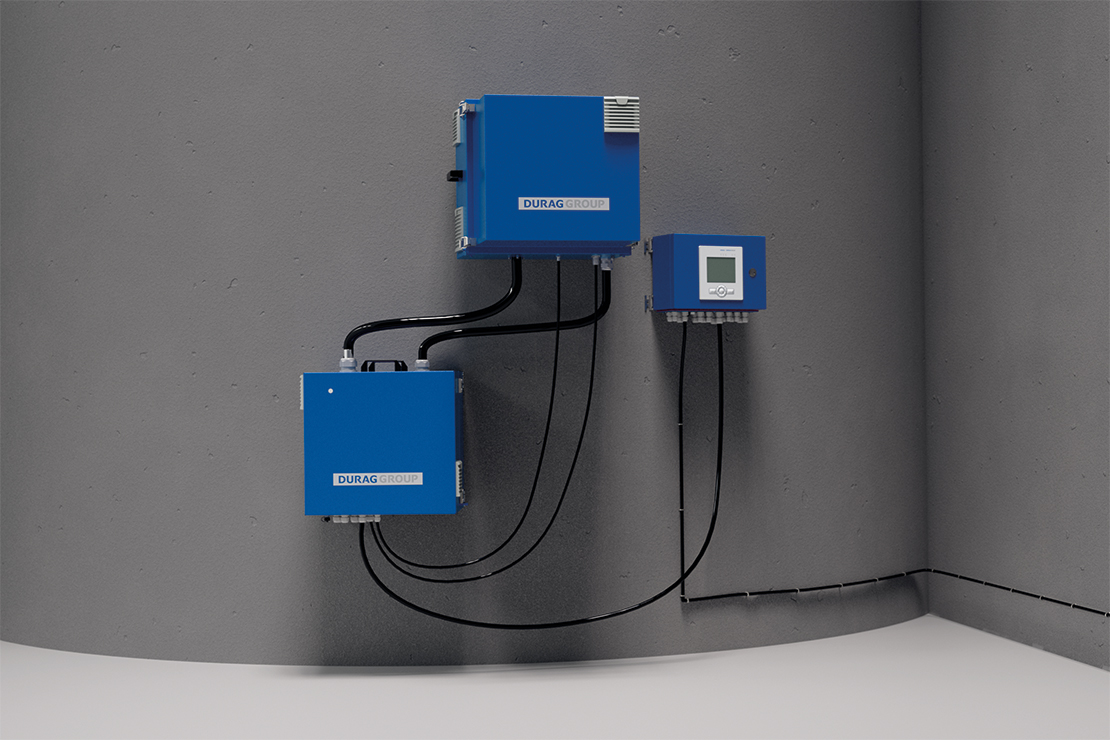
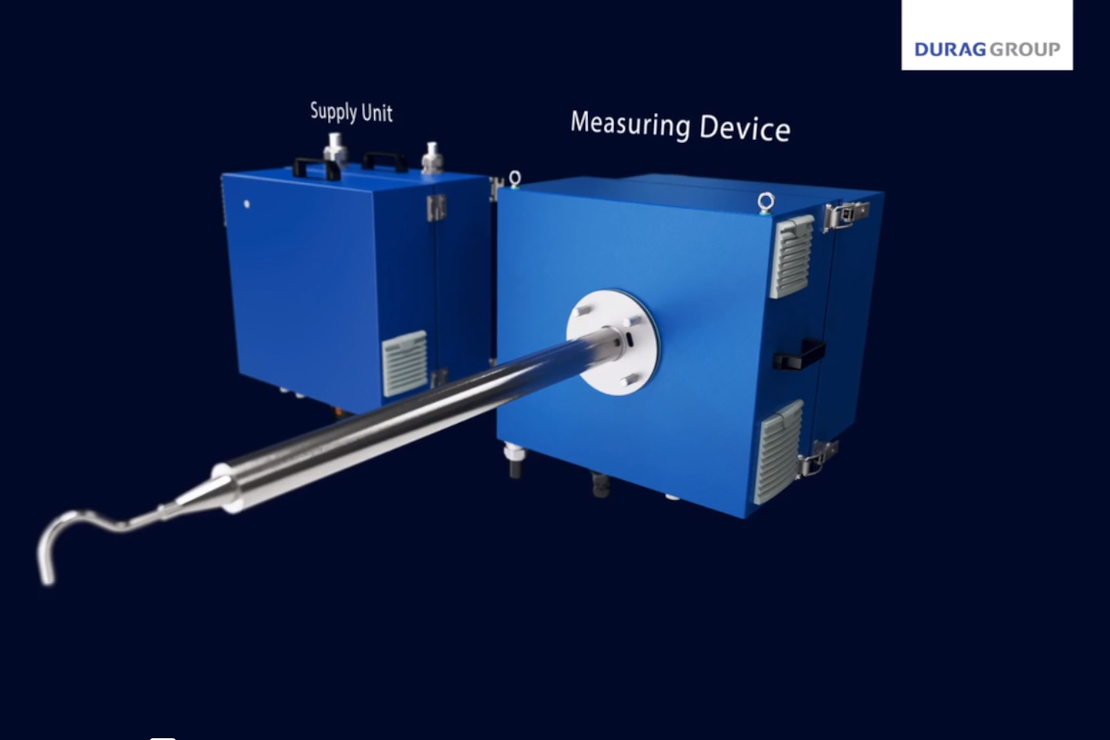
| System components | Measuring unitSupply unitSampling probeCable setD-ISC 100 operating unit (optional)D-ESI 100 software*** |
| Variants | Length of sampling probe: 1,000 mm / 1,500 mmAlignment of probe tip: Flow up / right / left / downCable set: 3 m / 6 m / 9 m |
| Accessories | Weld-in pipe: 200 mm / 500 mm / 700 mmRack for supply unitAdapter flange |
* Additional interfaces with D-ISC 100 operating unit
** Weather protection is required for outdoor installation
*** Enables remote access via web interface, requires PC with Windows operating system